


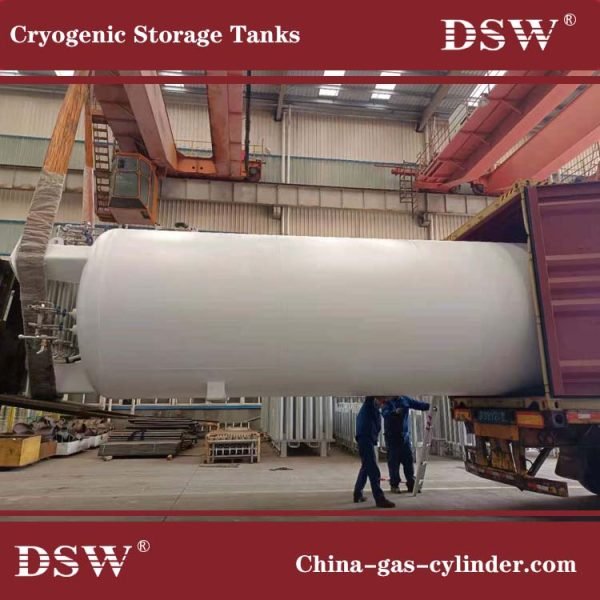

Gas cylinders are high-pressure vessels used to store and transport gases safely. International and national standards regulate their design, manufacturing, testing, and usage, ensuring safety and reliability across industrial, medical, and automotive sectors. Different countries have specific standards to address local regulations, environmental conditions, and industrial requirements.
Overview of Gas Cylinder Standards
Standards exist to regulate:
- Design and construction: Ensuring cylinders withstand pressures, temperatures, and environmental conditions.
- Manufacturing processes: Material selection, quality control, and testing procedures.
- Usage and handling: Guidelines for filling, storage, transportation, and valve fittings.
- Global interoperability: International standards, such as ISO, allow cylinders to be used safely across borders.
Compliance with these standards prevents accidents, ensures operational safety, and facilitates international trade of pressurized gases.
Common International and National Standards

ISO 9809 standard gas cylinder
ISO 9809 is designed to rule out concerns about climate, indistinguishable checks, and restrictions due to the lack of explicit international norms. It should not be seen as reflecting the benefits of any national or regional practice.
ISO 9809-3 addresses the general requirements for the design, construction, original inspection, and testing of gas cylinders for pressure vessels recommended by the United Nations Model Regulations for the Transport of Dangerous Goods.
It is intended for use in various non-regulatory management but applies to the conformity assessment system in 6.2.2.5 of the Model Regulations mentioned below.
ISO 9809-1 is a common standard in many countries, including the United States, Canada, and Australia.
The International Organization for Standardization (ISO) has established several standards that regulate gas cylinders, including ISO 11439 and ISO 4705D 23.
ISO 11439: Gas cylinders — High-pressure cylinders for the onboard storage of natural gas as a fuel for automotive vehicles.
BS EN ISO 102286: Gas cylinder terminology.
BS EN ISO 11114-4: Cylinders transporting gas.
GB5099 standard gas cylinder
The purpose of GB5099 is to provide specifications for cylinder types, cylinder parameters, cylinder professional conditions, cylinder inspection, cylinder symbols, cylinder oil, cylinder packaging, cylinder transportation and flawless storage.
The GB5099 standard is applied to the design and construction of seamless steel gas cylinders with water capacities from 0.4 litre to 80 litres and working pressures from 8MPa to 30MPa used to store permanent gaseous gases or high-pressure liquid gases.
The design temperature of the flawless sword gas cylinder is -20℃ to 60℃ in regular areas and -40℃ to 60℃ in cold regions.
This standard does not apply to the storage of melting feast and absorption feast of steel cylinders, fire extinguisher gas cylinders, transport gas cylinders and related machinery pressure vessels.
Application: These cylinders are suitable for storing permanent gaseous gases or high-pressure liquid gases.
Manufacturing Standards: The cylinders are manufactured according to the GB5099 specification.
Certification: They can be supplied with a GB mark, making them suitable for use within China.
DOT UN9809-1 Standard Gas Cylinder
High-pressure gas cylinders are constructed from chrome molybdenum swords and are manufactured to strict compliance with all applicable DOT UN specifications.
For quality control purposes, the SEFIC Cylinder Company virtually monitors incoming fittings for chemical composition, particle size, and infinity, seams, cracks, and eliminations.
DOT-3AA standard gas cylinder
DOT-3AA for the transportation of gas cylinder design, gas cylinder materials, gas cylinder manufacturing, gas cylinder standards, gas cylinder inspection, gas cylinder filling, gas cylinder storage, and gas cylinders by the Dangerous Goods Regulations of the Federal Regulations.
This standard does not cover the responsibilities of governments but also the specifics of manufacturers and third-party testing associations. This regulation also includes detailed calculation formulas and specific special conditions.
EN1964-1 standard gas cylinder
The EN 1964-1 standard specifies the design and construction requirements for refillable, transportable, seamless steel gas cylinders of water capacities from 0.5 litres up to 150 litres and working pressures from 8 MPa to 30 MPa.
These cylinders are used for storing and transporting various gases.
The specifications are based on knowledge and experience of the materials, design conditions, manufacturing processes and controls when manufacturing gas cylinders.
Application: These cylinders are suitable for storing and transporting various gases.
Manufacturing Standards: The cylinders are manufactured according to the EN 1964-1 specification.
Certification: They can be supplied with a CE mark, making them suitable for use within the European Union.
IS7285 standard gas cylinder
The IS7285 standard is applied to the design and construction of seamless steel gas cylinders of water capacities from 0.4 liter to 80 liters and working pressures from 8MPa to 30MPa to store permanent gaseous or high-pressure liquid gases.
The purpose of this standard is to provide a specification for gas cylinder type, gas cylinder parameter, gas cylinder technical requirements, gas cylinder testing, gas cylinder inspections, gas cylinder symbol, gas cylinder painting, gas cylinder package, gas cylinder transportation and storage of seamless steel gas cylinders.
IS7285 is an Indian standard promulgated by the Bureau of Indian Standards (BIS)
KGS Standard Gas Cylinder
The Korean government issues KGS and provides unique conditions for gas cylinder design, gas cylinder materials, gas cylinder manufacturing, gas cylinder standards, gas cylinder inspection, gas cylinder waste, gas cylinder filling, gas cylinder storage and seamless cylinder transportation.
The KS B 6210 standard is a specification for the design, construction, and testing of refillable seamless steel gas cylinders with water capacities ranging from 0.5 liters to 150 liters.
As technical standards in gas safety areas, KGS Codes are deliberated and resolved by the gas technical standards committee and approved by the Ministry of Trade, Industry and Energy.
Q/JB THB0008 Standard gas cylinder
High-pressure gas cylinders from 350 Bar Q/JB THB0008 are available in various sizes from 40L to 55L.
These cylinders are constructed using a modified 30Cr-Mo alloy with a tensile strength of approximately 450 MPa.
They are designed to offer an increased gas content-to-weight ratio compared to previous-generation 30Cr-Mo gas cylinders.
Application: These cylinders are suitable for storing gases at high pressures.
Manufacturing Standards: The cylinders are manufactured according to either ISO 9809-1 or ISO 9809-2 specifications.
Certification: They can be supplied with a Pi mark, making them suitable for use within Europe and the United Nations.
Gas Cylinder Standards Table
| Country / Region | Standard | Cylinder Material | Capacity Range | Working Pressure | Certification / Mark | Application / Notes |
|---|---|---|---|---|---|---|
| International | ISO 9809-1 / 9809-3 | Steel | 0.5–150 L | 8–30 MPa | ISO / UN | Seamless steel cylinders; design, inspection, testing |
| International | ISO 11439 | Steel / Composite | Vehicle storage | High pressure | ISO | CNG onboard storage |
| United States | DOT 3AA / 3A / 3AL | Steel / Aluminum | 0.5–150 L | 8–30 MPa | DOT | High-pressure transport cylinders |
| United States | DOT UN9809-1 | Steel | 0.4–80 L | 8–30 MPa | DOT | UN-aligned transport regulations |
| European Union | EN 1964-1 / 2 | Steel | 0.5–150 L | 8–30 MPa | CE | Refillable, transportable cylinders |
| China | GB 5099 | Steel | 0.4–80 L | 8–30 MPa | GB | Seamless cylinders for gaseous / liquid gases |
| China | Q/JB THB0008 | 30Cr-Mo alloy | 40–55 L | 350 Bar | Pi | High-pressure cylinders, ISO compatible |
| India | IS 7285 | Steel | 0.4–80 L | 8–30 MPa | BIS | Seamless steel cylinders |
| Korea | KGS / KS B 6210 | Steel | 0.5–150 L | 8–30 MPa | KGS | Refillable seamless cylinders |
| Japan | JIS B 8265 / B 8266 | Steel / Aluminum | Variable | Variable | JIS | Industrial gas cylinders |
Gas Cylinder Standards by Country / Region
| Country / Region | Standard | Cylinder Material | Capacity Range | Working Pressure | Certification / Mark | Application / Notes |
|---|---|---|---|---|---|---|
| International | ISO 9809-1 / 9809-3 | Steel | 0.5–150 L | 8–30 MPa | ISO / UN | Seamless steel cylinders; design, inspection, testing |
| International | ISO 11439 | Steel / Composite | Vehicle storage | High pressure | ISO | CNG onboard storage |
| International | ISO 11114 series | Steel / Alloy | Variable | Variable | ISO | Material compatibility with gases |
| International | ISO 4705 | Steel / Alloy | Variable | Variable | ISO | Cylinder valves |
| International | ISO 10286 | N/A | N/A | N/A | ISO | Terminology for gas cylinders |
| International | ISO 14246 | Steel / Composite | Vehicle storage | High pressure | ISO | Hydrogen fuel storage cylinders |
| United States | DOT 3AA / 3A / 3AL | Steel / Aluminum | 0.5–150 L | 8–30 MPa | DOT | High-pressure transport cylinders |
| United States | DOT UN9809-1 | Steel | 0.4–80 L | 8–30 MPa | DOT | UN-aligned transport regulations |
| United States | CGA V-1, V-7, V-9 | Steel / Alloy | Variable | Variable | CGA | Cylinder valves, fittings, handling |
| European Union | EN 1964-1 / 2 | Steel | 0.5–150 L | 8–30 MPa | CE | Refillable, transportable cylinders |
| European Union | EN ISO 10297 | Steel / Alloy | Variable | Variable | CE | Cylinder valves for LPG/propane |
| European Union | EN 12245 | Welded steel | 0.5–150 L | 8–30 MPa | CE | Refillable transportable cylinders |
| European Union | ADR / RID | Steel / Alloy | Variable | High pressure | ADR / RID | Transport of dangerous goods |
| China | GB 5099 | Steel | 0.4–80 L | 8–30 MPa | GB | Seamless cylinders for gaseous/liquid gases |
| China | Q/JB THB0008 | 30Cr-Mo alloy | 40–55 L | 350 Bar | Pi | High-pressure cylinders, ISO compatible |
| China | TC-3AAM | Steel | Variable | Variable | TC | Specialized Chinese cylinders |
| China | GB 7156 | Aluminum alloy | 0.5–50 L | 15–20 MPa | GB | High-pressure aluminum cylinders |
| India | IS 7285 | Steel | 0.4–80 L | 8–30 MPa | BIS | Seamless steel cylinders |
| India | IS 3195 / IS 4377 | Steel / Alloy | Variable | Variable | BIS | Cylinder valves and LPG cylinders |
| Korea | KGS / KS B 6210 | Steel | 0.5–150 L | 8–30 MPa | KGS | Refillable seamless cylinders |
| Japan | JIS B 8265 / B 8266 | Steel / Aluminum | Variable | Variable | JIS | Industrial gas cylinders |
| Global | ASME PVHO / Boiler & Pressure Vessel Code | Steel / Alloy | Variable | High pressure | ASME | Pressurized vessels including specialty cylinders |
| Global | UN Recommendations | Steel / Alloy | Variable | High pressure | UN | Design, testing, transport of dangerous goods |
Purpose and Application
Safety and Reliability
Standards ensure cylinders withstand working pressures, extreme temperatures, and environmental conditions safely.
Manufacturing Guidance
They define material selection, design parameters, testing procedures, and inspection requirements, ensuring cylinders meet strict quality criteria.
Usage Compliance
Standards provide operational guidance for filling, storage, transportation, and valve fittings to prevent accidents.
Global Interoperability
International standards like ISO enable cylinders to be safely used and certified across borders, facilitating international trade.
Key Takeaways
- Gas cylinders are strictly regulated to prevent accidents and ensure operational safety.
- Each country may have unique standards reflecting local regulations, environmental conditions, and industrial requirements.
- ISO and recognized national standards (GB, DOT, EN, IS, KGS, JIS, Q/JB, TC) are essential for manufacturers, importers, and users to maintain compliance.
- Proper certification (CE, GB, Pi, DOT marks) indicates adherence to applicable regulations and ensures legal and safe use.


No comment