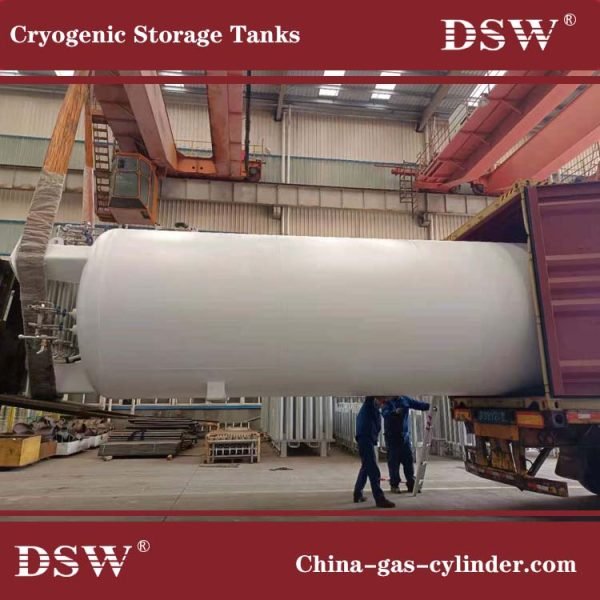
The Liquid Gas Transport category provides technical knowledge and industry insights into the safe, efficient, and compliant transportation of liquefied gases across global supply chains.
Scope of Liquid Gas Transport
This category focuses on cryogenic and bulk transport systems used for industrial and medical gases, including LNG, liquid oxygen (LOX), liquid nitrogen (LIN), and liquid argon (LAR), covering both logistics and engineering considerations.
Key Technical Areas
- Cryogenic tanker and transport vehicle technology
- LNG and industrial liquefied gas distribution systems
- Loading, unloading, and transfer safety procedures
- Pressure control and thermal insulation systems
- Storage and handling during transport operations
- Regulatory compliance and international transport standards
Industrial Applications
Liquid gas transport systems support critical supply chains in energy, healthcare, metallurgy, and chemical industries, ensuring continuous delivery of essential gases under controlled cryogenic conditions.
Operational Considerations
Safe and efficient transport of liquefied gases requires specialized equipment selection, strict temperature control, pressure stability management, and adherence to international safety regulations.
Audience
This category is intended for engineers, logistics professionals, procurement specialists, and energy sector decision-makers seeking reliable technical guidance on cryogenic and liquefied gas transport systems.
About Liquid Gas Transport
Liquid gas transport plays a vital role in modern industrial infrastructure, enabling the safe movement of cryogenic and liquefied gases over long distances. Continuous advancements in tanker design, insulation technology, and safety systems are improving efficiency and reliability across global gas distribution networks.