



What Is Nitrous Oxide (N₂O)?
Nitrous oxide (N₂O), commonly known as laughing gas, is a colorless, non-flammable gas with a slightly sweet odor and taste.
It is widely used in medical, dental, food, industrial, automotive, and aerospace applications due to its stable chemical behavior and oxidizing properties.
In healthcare, nitrous oxide functions as a mild analgesic and anxiolytic, offering rapid onset and recovery.
In industrial and technical fields, it is used as a propellant or oxidizer, while in motorsports it enhances engine performance by increasing oxygen availability during combustion.
How Nitrous Oxide (N₂O) Is Made in Industrial Production
Commercial nitrous oxide production is a highly controlled chemical manufacturing process.
The most widely adopted industrial method involves the thermal decomposition of ammonium nitrate (NH₄NO₃)
under carefully regulated temperature and pressure conditions.
This process ensures consistent gas purity, stable output, and compliance with industrial and medical safety standards.
In modern facilities, nitrous oxide production is typically designed for continuous operation, allowing consistent output, improved energy efficiency, and stable product quality over extended production cycles.
Core Chemical Reaction
The primary chemical reaction used to produce nitrous oxide is shown below:
NH₄NO₃ → N₂O + 2H₂O
This reaction is exothermic, meaning it releases heat.
To maximize nitrous oxide yield and minimize unwanted byproducts, operating temperatures are typically maintained between
240°C and 255°C.
Precise thermal control is essential for safe and efficient operation.
Step-by-Step Industrial Production Process
1. Raw Material Preparation
Ammonium nitrate is the primary feedstock and is usually supplied as a high-purity aqueous solution with a concentration of
80–93%.
When delivered in solid form, the ammonium nitrate is melted to produce a homogeneous liquid suitable for controlled decomposition.
2. Thermal Decomposition Reactor
The molten ammonium nitrate solution is introduced into a dedicated reactor equipped with accurate temperature and pressure control systems.
As heating progresses, the ammonium nitrate decomposes into nitrous oxide gas and water vapor.
In industrial-scale systems, reactor temperature and pressure are continuously monitored using redundant instrumentation.
Automated control systems adjust feed rate and heating power in real time to maintain stable operating conditions and prevent thermal excursions.
Maintaining stable operating conditions is critical:
- Low temperatures reduce conversion efficiency
- Excessive temperatures increase byproduct formation and safety risks

3. Condensation and Water Removal
The hot gas mixture leaving the reactor enters a condenser, where water vapor and condensable residues are cooled and separated.
The resulting condensate may contain traces of ammonium nitrate and is typically recycled or further treated to improve process efficiency.
4. Purification and Gas Scrubbing
Crude nitrous oxide contains impurities such as nitrogen oxides (NOₓ), ammonia (NH₃), and trace reaction byproducts.
These contaminants are removed through a series of purification systems, which may include:
- Water scrubbers
- Alkaline (caustic) scrubbers
- Acid absorption columns
This stage ensures the nitrous oxide meets required purity specifications.
5. Drying and Compression
After purification, the gas passes through drying units such as adsorption beds or desiccant systems to remove residual moisture.
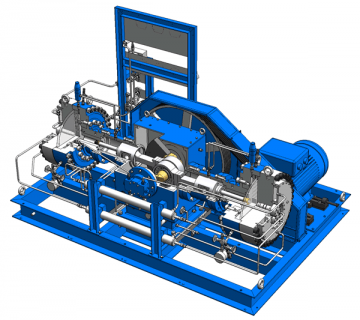
The dried nitrous oxide is then compressed using multi-stage compressors and cooled.
From an operational standpoint, moisture control is critical.
Even trace water content can affect downstream storage stability and cylinder filling performance,
which is why industrial plants employ multi-stage drying and routine analytical verification.
Compression prepares the gas for cylinder filling, bulk storage, or liquefaction.
6. Storage and Packaging
In practice, cylinder selection, valve configuration, and filling pressure are determined based on application requirements, transport regulations, and customer handling conditions.
Manufacturers routinely perform pressure testing and leak inspection prior to delivery.
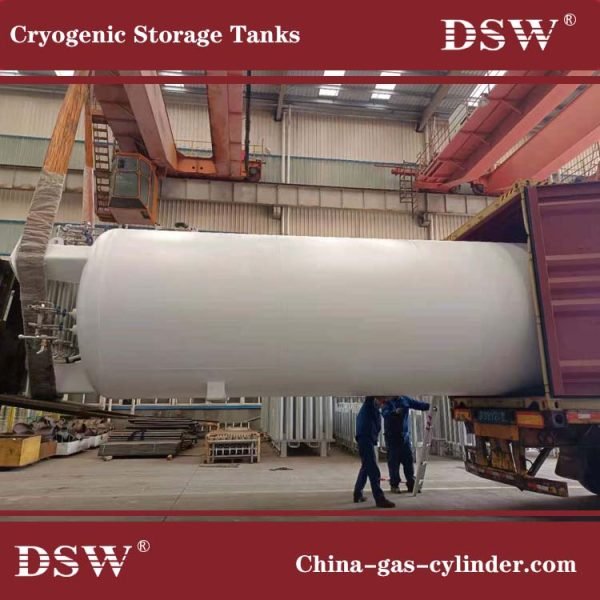
Finished nitrous oxide is stored in high-pressure gas cylinders, ISO tank containers, or buffer storage tanks depending on customer requirements.
All storage systems are equipped with pressure relief devices, safety valves, and inspection procedures to ensure compliance with transport and industry regulations.

Nitrous Oxide Quality Grades and Applications
- Industrial Grade (≥99.9%) – Used in manufacturing, aerosols, and general industrial processes
- Food Grade – Approved for food applications such as whipped cream propellants
- Medical Grade – Produced under strict quality control for dental and medical analgesia
- Electronic Grade (≥99.999%) – Ultra-high purity gas for semiconductor and LED manufacturing
Safety Considerations
Nitrous oxide manufacturing involves high temperatures and reactive chemicals, making safety management essential.
Uncontrolled ammonium nitrate decomposition can become unstable if temperature control is lost.
Modern production facilities employ advanced monitoring, pressure relief, venting, and emergency shutdown systems.
Strict environmental and occupational safety protocols are implemented to protect personnel and minimize emissions.
Standards and Regulatory Compliance
Industrial production, storage, and distribution of nitrous oxide are governed by strict international standards and regulatory frameworks.
Compliance with these requirements is essential to ensure product quality, operational safety, and legal conformity.
- Medical Nitrous Oxide: Produced and filled in accordance with recognized pharmacopeia standards such as USP, EP, or equivalent national regulations.
- Gas Cylinders: Manufactured and tested to applicable ISO standards and regional regulations for high-pressure gas containment.
- Transportation: Subject to ADR, DOT, or other local dangerous goods transport regulations depending on destination market.
- Operational Safety: Industrial facilities follow established practices from compressed gas and chemical safety organizations.
Adherence to these standards ensures that nitrous oxide supplied for medical, food, or industrial use meets the required safety and performance criteria.
Summary
The industrial production of nitrous oxide relies on a carefully engineered process centered on the thermal decomposition of ammonium nitrate.
By integrating systems for decomposition, condensation, purification, drying, compression, and storage, manufacturers can reliably produce high-quality nitrous oxide
for medical, food, industrial, and high-technology applications while maintaining strict safety and regulatory compliance.
TECHNICAL QUESTIONS
Frequently asked questions About Nitrous Oxide Production
Yes. Nitrous oxide is produced exclusively in licensed industrial facilities using controlled chemical processes.
Manufacturing requires specialized equipment, trained personnel, and strict compliance with safety and regulatory standards.
It is not suitable for home or small-scale production.
Ammonium nitrate is used because it decomposes in a controlled manner at elevated temperatures to produce nitrous oxide and water.
When properly managed, this reaction offers high conversion efficiency and consistent product quality,
making it the preferred industrial method worldwide.
The difference lies in purity, quality control, and regulatory compliance.
Medical-grade nitrous oxide is produced under stricter conditions, tested to pharmacopeia standards,
and intended for use in healthcare settings.
Industrial-grade nitrous oxide meets different specifications suitable for manufacturing and technical applications.
Purity is typically verified using analytical methods such as gas chromatography.
Additional testing may include moisture analysis and impurity detection to ensure the gas meets
specific application requirements, especially for medical and electronic uses.
Nitrous oxide is stored in high-pressure gas cylinders or bulk containers designed for compressed gases.
Storage and transport systems include pressure relief devices, approved valves, and routine inspections
to comply with international transport and safety regulations.


No comment